Laparoscopic cholecystectomy (Gallbladder Removal Surgery)
If you've been told you have gallstones, or you're dealing with recurring pain, nausea or bloating after meals, gallbladder removal may be the right next step. At Brisbane Bariatric Centre, Dr Justin Greenslade performs laparoscopic cholecystectomy, a minimally invasive keyhole procedure, with a focus on getting you back on your feet quickly and with as little disruption to your life as possible.
Whether you're a new patient or already under Dr Greenslade's care for a weight loss procedure, you'll receive the same clear guidance at every stage.

What is the gallbladder, and what does it do?
The gallbladder is a small, pear-shaped organ located just beneath the liver on the right side of your abdomen. Its job is to store bile, a digestive juice made in the liver, and carry bile into the small intestine when you eat, particularly to help break down fatty foods.
When the balance of substances in bile is disrupted, solid particles can form. These are called gallstones, and they're one of the most common reasons people require gallbladder surgery.

What is a laparoscopic cholecystectomy?
It's not uncommon to develop gallstones after rapid weight loss, among other things. If you have gallstones or inflammation/infection in the gallbladder, it may need to be removed. Using advanced laparoscopic techniques, it is now possible to remove the gallbladder through tiny incisions in the abdomen (keyhole surgery), and it is generally associated with reduced discomfort and a shorter recovery period compared with open surgery.
Generally, patients spend one night in hospital, and we suggest taking a week off work to recover. Dr Greenslade offers laparoscopic cholecystectomy to both new patients and existing weight loss patients.
Who is gallbladder surgery for?
Gallbladder surgery is usually recommended when gallstones are causing symptoms, or when the gallbladder has become inflamed or infected. You may be a candidate if you're experiencing:
- Recurring pain in the upper abdomen or between the shoulder blades
- Nausea, bloating or vomiting — particularly after fatty meals
- Fever or chills (which may indicate infection)
- A diagnosis of gallstones, cholecystitis, or biliary colic confirmed by ultrasound
Some people experience what are known as gallbladder attacks, episodes of intense pain, nausea and cramping that occur when a gallstone temporarily blocks the bile duct. These attacks can last anywhere from 30 minutes to several hours and often worsen after eating.
Post-bariatric patients: Rapid weight loss following sleeve gastrectomy or gastric bypass can increase the risk of gallstone formation. Dr Greenslade routinely monitors existing weight-loss patients for this and is well placed to manage it as part of your ongoing care.
Before surgery:
Dr Greenslade will review your symptoms, imaging (usually an abdominal ultrasound), and medical history before recommending surgery. You'll have a pre-operative appointment to discuss what to expect and ask any questions.
On the day
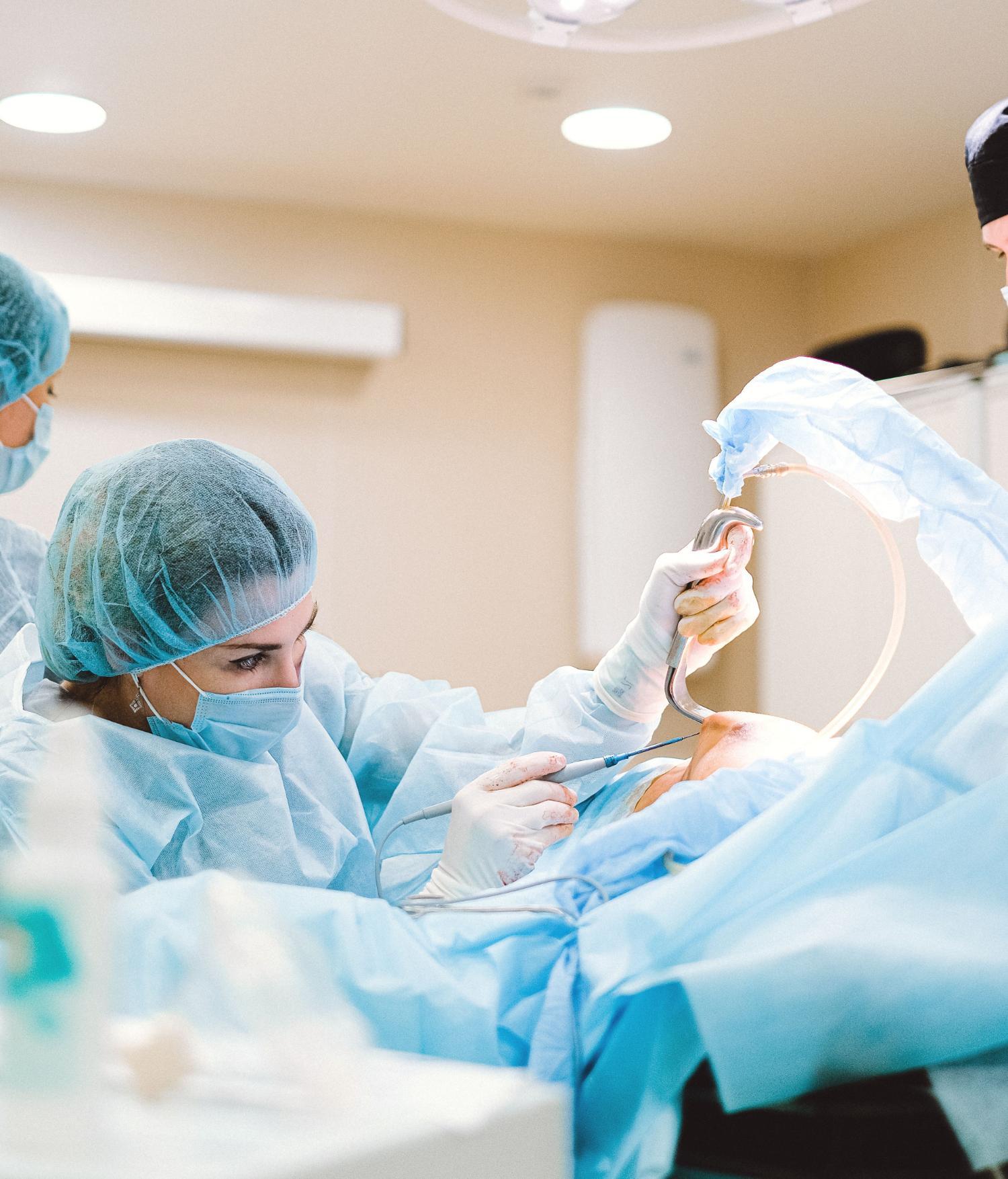
The procedure is performed under general anaesthetic and typically takes 45–90 minutes. Small incisions are made in the abdomen, through which a tiny camera and instruments are inserted to clip the bile duct and artery before removing the gallbladder. A cholangiogram (bile duct X-ray) is often performed at the same time to check for additional stones.
Recovery
Most patients are discharged the morning after surgery. We recommend around one week off work for desk-based roles, with a gradual return to normal activity. Dr Greenslade will provide clear post-operative instructions, and a follow-up appointment is scheduled within 4 weeks.
Cost of laparoscopic cholecystectomy
If you have private health insurance, Dr Greenslade's gap covers the surgery (i.e. billed to your health fund, no out-of-pocket cost to you for his surgical fee).
We suggest contacting your health fund to confirm that you're covered for gallbladder removal surgery. However, there will be out-of-pocket expenses for the anaesthetist and the assistant surgeon, though rebates from Medicare and your private health insurance may apply.
Greenslopes Private Hospital accepts self-funded patients for this surgery, with a total cost of approximately $14,000 if you don't have private health insurance.


Meet Dr Justin Greenslade
Dr Justin Greenslade is a general and bariatric surgeon with more than 20 years of experience performing advanced laparoscopic procedures. He consults and operates at Greenslopes Private Hospital and has performed over 4,000 weight loss surgeries, alongside a substantial volume of general surgical procedures, including laparoscopic cholecystectomy.
Dr Greenslade takes a straightforward approach to every consultation by listening carefully, explaining your options in plain language, and making sure you feel informed before any decisions are made. He works with both new patients presenting with gallstone symptoms and existing patients who have developed gallbladder complications following weight loss surgery.
Referrals are accepted from GPs across Brisbane and regional Queensland.
Frequently asked questions
Not necessarily. Many people have gallstones with no symptoms, and these are often monitored rather than treated.
However, if gallstones are causing recurring pain or complications, surgical removal is usually the most reliable long-term solution. Leaving symptomatic gallstones untreated can lead to more serious complications, including infection, bile duct obstruction, or pancreatitis.
Yes. The gallbladder stores bile, but it isn't essential for digestion. After removal, bile flows directly from the liver to the small intestine. Most people adapt well and return to a normal, balanced diet. A small number of patients notice some initial changes in digestion, but this typically settles within a few weeks.
Yes. Rapid weight loss significantly increases the risk of gallstone formation, and this is well-documented following sleeve gastrectomy and gastric bypass. Dr Greenslade is experienced in identifying and managing this complication in existing patients.
Shoulder tip pain after laparoscopic surgery is common and usually nothing to be concerned about. It's caused by residual carbon dioxide gas used to inflate the abdomen during the procedure, and as the gas dissipates, it can irritate the diaphragm and refer pain to the shoulder or upper back.
This typically peaks in the first 24–48 hours and resolves within a few days. Gentle movement can help. If it worsens significantly or persists beyond a few days, contact Dr Greenslade's rooms.
Laparoscopic cholecystectomy is one of the most commonly performed surgical procedures in Australia. As with any surgery, there are risks involved, and these will be discussed with you in detail during your pre-operative appointment so you can make a fully informed decision.
You'll need a referral from your GP to see Dr Greenslade. If you'd like to find out more first, you're welcome to contact our rooms directly, and we'll guide you through the process.
Speak with Dr Greenslade about gallbladder removal surgery
If you’re thinking about weight loss surgery or just want to know what’s possible, we’re here to help. Get in touch to book a chat with Dr Justin Greenslade and find out what’s right for you.